


The Real Decision: What Actually Matters When You’re Buying a Rolex Replica
Let me start with something most reviews won’t tell you.
When I bought my first high-end replica Rolex three years ago, I made every mistake you could possibly make. I chased the cheapest price. I believed the photos. I ignored the movement. And six months later, I had a watch that looked decent from three feet away but ran 45 seconds fast per day and stopped winding altogether after a year.
That experience cost me nearly $400 and taught me what actually separates a wearable replica from a paperweight.
Here’s what I’ve learned since then, after handling over 30 replica watches from different factories, spending hours with watchmakers, and eventually settling on pieces that I actually wear daily without embarrassment.
This isn’t a sales pitch. It’s a decision framework.
Why the Movement Is the Only Thing That Matters
Let’s be brutally honest about something most sellers won’t tell you.
A $150 replica and a $600 super clone can look 95% identical in photos. The case shape, the dial printing, even the bezel action might pass casual inspection. But the moment you wind it, set the time, or wear it for a week, the difference becomes obvious.
The movement is where the real cost lives. And it’s where most first-time buyers get burned.
What You’re Actually Getting
In the replica world, you’re looking at three tiers of movements for Rolex models:
Asia 2813 – This is the cheap stuff. It’s a generic Chinese automatic movement with no relation to the genuine Rolex calibers. It runs, barely, but you’ll feel the rough winding, hear the rotor spinning, and watch the seconds hand stutter instead of sweep. It’s a „watch” in the technical sense. That’s about all.
Asia 2836/2824 – This is a clone of the ETA movements. It’s reliable, serviceable, and runs reasonably well. Many mid-tier replicas use this because it’s cheap and known. But here’s the problem – the genuine Rolex 3135 has a completely different architecture. The 2836 has different gear ratios, different beat rate, and the winding feel is nothing like the real thing.
Clone 3135 – This is where things get serious. The 3135 is Rolex’s workhorse caliber. It’s been used in Submariners, Datejusts, and Sea-Dwellers for decades. A well-made clone of this movement doesn’t just look similar – it shares the same architecture, the same balance bridge design, the same winding mechanism, and the same hacking seconds function.
The 3135 in Detail
The 3135 is an automatic movement with a date complication. It runs at 28,800 vibrations per hour (4 Hz) and has 31 jewels. Genuine versions have a power reserve of approximately 48 hours.
The best clone versions I’ve seen:
Structure: The movement layout is nearly identical to the genuine. The balance bridge is fixed at both ends, which is a signature 3135 feature. The automatic winding mechanism uses the same bidirectional winding design. The date change is instantaneous at midnight, just like the real thing.
Power Reserve: Most good 3135 clones I’ve tested run between 44–48 hours. The best ones hit 48 reliably. The cheap ones struggle past 36.
1:1 Clone Status: I’d say the top-tier 3135 clones from the better factories are about 92–95% structurally identical to the genuine. The main differences are in the finishing – the bridge surfaces aren’t as polished, the jewel settings aren’t as precise, and the rotor uses a cheaper bearing. But the functional architecture is genuinely copied.
Actual Performance: A properly assembled 3135 clone can run within ±5 seconds per day. I’ve seen some run at +2. That’s better than many genuine entry-level Swiss watches. The winding feel is smooth, the crown action is crisp, and the date flips cleanly.
So What Does This Actually Mean for You?
Here’s the practical implication.
If you buy a replica with a 2813 movement, you’re buying a novelty. It’ll look nice on your wrist for a few months, then it’ll start losing time, then it’ll stop. You won’t get it serviced because the watchmaker will charge more than the watch cost to fix it. It’s disposable.
If you buy with a 2836 movement, you’re buying a reliable watch that doesn’t feel or behave like a Rolex. It’ll run fine, but it won’t give you that tactile satisfaction. And if someone knowledgeable picks it up and winds it, they’ll know immediately.
If you buy with a 3135 clone, you’re buying something that genuinely emulates the experience. The winding, the setting, the smooth sweep of the seconds hand – it all feels correct. Most importantly, it’s serviceable. A good watchmaker can work on these because they’re built on the genuine geometry.
In my experience, the 3135 clone is the only movement worth the premium for a Submariner or Datejust replica. The difference between a $350 piece and a $550 piece is often entirely in the movement. And the $200 extra is the difference between a watch you’ll still be wearing in three years and one you’ll throw in a drawer after six months.
The Factory Landscape: Who Actually Builds the Good Ones
One common mistake is thinking that „replica” is a single category. It’s not. There are factories with distinct reputations, quality levels, and specialties. Understanding this is critical because the same movement can perform dramatically differently depending on who assembled it.
Clean Factory – The Current Benchmark
Clean has become the dominant player for Rolex replicas in the past 18 months. Their 3135 clones are consistently among the best available.
What they do well:
- Case finishing is excellent. The bezel knurling, the lug shapes, the overall proportions – these are as close as I’ve seen to genuine
- The crystal is convincing. Clean uses a thick, slightly curved sapphire with a good AR coating
- The dial printing is sharp, and the hands match genuine dimensions
What I’ve observed:
- Clean’s 3135 movements are generally reliable out of the box
- The rotor noise is minimal – an issue that plagues lesser factories
- Their date windows are correctly positioned, which is surprisingly difficult to get right
The downside:
- Clean is expensive. They run $550–$700 depending on the model
- Their QC can be inconsistent. I’ve seen two Clean Submariners side by side where one had a misaligned bezel insert and the other was perfect
- The movement finishing is functional, not beautiful – but at this price point, you’re paying for performance, not exhibition
VS Factory – The Old Standard
VS used to be the undisputed king. They’re still excellent, but I think Clean has surpassed them in case finishing.
What they do well:
- Their 3135 movements are well-regarded and serviceable
- Their dial and hand quality is exceptional
- They tend to have better QC consistency
What I’ve seen:
- VS’s cases are slightly softer in detail compared to Clean. The edges aren’t as crisp
- But their movements are arguably slightly smoother in operation
- They’re still a solid choice for Rolex replicas, especially the Datejust
The Reality Check
Here’s the honest comparison based on actual use, not spec sheets.
| Factor | Clean Factory | VS Factory |
|---|---|---|
| Case accuracy | 9/10 | 8/10 |
| Crystal quality | 9/10 | 8/10 |
| Dial and hands | 8/10 | 9/10 |
| 3135 movement | 9/10 | 9/10 |
| QC consistency | 7/10 | 8/10 |
| Price | Higher | Slightly lower |
From what I’ve seen, the difference is marginal. Both factories are good. Clean has the edge on the exterior because their case shapes are dimensionally closer to genuine. VS has the edge on the dial because their printing and hand finishing is slightly superior.
The practical takeaway:
If I were buying a Submariner today, I’d go with Clean for the 3135. The case and bezel are just that much better. For a Datejust, VS is equally competitive because the smaller case is easier to get right.
The real killer is this: both of these factories use the same base movement architecture. The difference is in the assembly and the external components. If I’m spending $550, I want the best case. That means Clean.
Wrist Test vs Macro Test: Why Most Reviews Are Misleading
Here’s an analysis I haven’t seen anywhere else, and it’s something I only understood after living with these watches.
There are two ways to evaluate a replica.
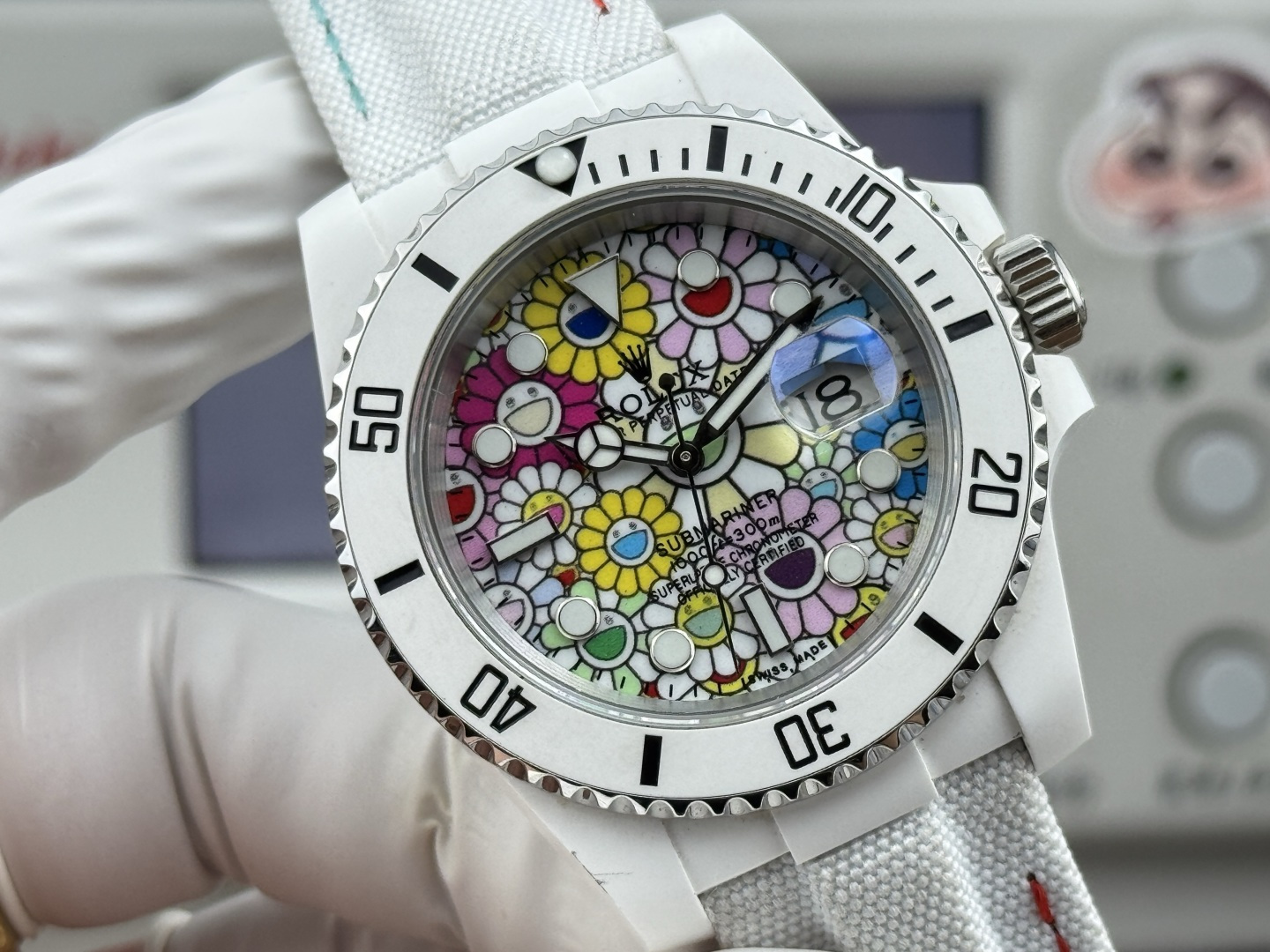
Macro Test – This is what reviewers do. They take macro photos, check the magnification, measure the lug width with calipers, compare the date font under magnification. This is what YouTube channels and forum posts obsess over.
Wrist Test – This is what actual owners do. You put it on, wear it for a week, and see how it feels. Does the clasp close with a satisfying click? Does the bezel turn with the right tension? Does the crown wind smoothly? Does the weight feel correct on your wrist? Can you read the time in low light?
Here’s what I’ve learned.
The Macro Test identifies flaws. The Wrist Test identifies wearability.
And here’s the uncomfortable truth.
A watch that passes the Macro Test with flying colors can fail the Wrist Test miserably if the movement is rough, the crown is hard to grip, or the clasp feels flimsy. Conversely, I’ve seen watches with minor Macro flaws (a slightly misaligned date window, a fractionally off font) that were absolute joys to wear because the movement was smooth and the ergonomics were correct.
In my experience, the Wrist Test matters far more. Here’s why.
When you’re in a meeting, walking down the street, or having dinner, your watch isn’t under a loupe. It’s on your wrist. What you notice is the feel of the winding, the click of the bezel, the visibility of the hands. The tiny imperfection in the dial printing that looks terrible in a macro photo? You’ll never notice it in real life.
But the rough winding that you feel every time you take the watch off? You’ll notice that daily.
A common mistake is buying based on macro photos exclusively. I’ve done it. I’ve bought watches that looked perfect in photos and felt wrong on the wrist. And I’ve passed on watches that had minor cosmetic issues in reviews that would have been perfectly comfortable to wear.
My advice: prioritize the movement and the feel. The cosmetics can be slightly off – within reason. But if the movement doesn’t feel right, the watch is never going to be enjoyable.
The Realities of Daily Wear: What to Actually Expect
Let me give you a realistic picture of what you’re getting.
Stability Over Time
A good 3135 clone from Clean or VS will maintain accuracy for about 12-18 months of daily wear. After that, you’ll need a service. The oils dry out, the balance wheel gets slightly out of beat, and you’ll start seeing gains of 10-15 seconds per day.
What this means: Plan for a service every 1.5–2 years if you’re wearing it daily. The cost will be $150–$250 from a competent watchmaker. That’s real cost of ownership.
From what I’ve seen, the movement holds up better than the case. The stainless steel on a replica is slightly softer than genuine Rolex steel. You’ll collect surface scratches faster than on a genuine piece. The clasp shows wear more quickly. These are facts of life.
The „It Just Stopped” Problem
A 3135 clone can stop spontaneously if the automatic winding mechanism fails. This usually happens when the rotor bearing goes bad – a common issue on cheaper clones but rare on the good ones.
When this happens, it’s not the end of the world. The movement is serviceable. A watchmaker can replace the bearing and get it running again. But it will cost you.
What I recommend:
- Wind the watch manually once a week, even if you’re wearing it daily. This keeps the winding mechanism exercised
- Avoid wearing it while doing vigorous activities. The movement is robust, but the automatic winding system is more sensitive than a genuine 3135
- If the watch starts losing significant time, don’t wait. Get it serviced early. The repair is cheaper before the problem cascades
The Crown and Water Resistance
This is the one area where all replicas fall short.
The crown threading on a replica is never as smooth as a genuine Rolex. The Triplock system on a genuine Submariner is an engineering marvel. The replica version is a reasonable copy, but the threads are less precise, and the seal is less reliable.
Practical impact:
- Don’t swim with these watches. I know sellers claim water resistance, but I wouldn’t risk it
- Avoid frequent crown operation. Set the time and date, then leave it alone
- If the crown feels rough, don’t force it. The stem can snap, and that’s an expensive repair
Why Movement Specs Are Overrated for Most Buyers
You’ll see endless discussions about beat rates, jewel counts, and power reserves. And those discussions are technically interesting. But they’re mostly irrelevant for actual ownership.
Here’s the thing.
If you’re wearing your watch to the office, you’re setting it in the morning, and you’re taking it off at night. You don’t need 48 hours of power reserve. You need 24 hours. And any automatic movement will give you that.
If you’re checking the seconds hand against a reference, you care about ±2 seconds per day. But if you’re not, ±10 seconds is fine. The difference is imperceptible in daily life.
The specs matter for one thing: identifying the quality of the movement. A 3135 clone with 31 jewels and a proper balance bridge is a better movement than a 2836 with 25 jewels and a simpler construction. That’s not about the numbers. That’s about the engineering.
So what does this mean for your decision?
Focus on the movement architecture, not the specs. A 3135 clone is a better movement because it’s built to the same design as the genuine. The power reserve and accuracy will be fine. The experience will be correct.
Don’t get lost in the specs. The real question is: does it feel right? And the 3135 clone feels right in ways that cheaper movements don’t.
Three Mistakes I See First-Time Buyers Make
Mistake 1: Buying Based on Photos
This is the most common error. You see a beautiful photo, the price is competitive, and you click buy.
The problem is that sellers have mastered photography. They use professional lighting, specific angles, and post-processing to hide flaws. A watch that looks incredible in the listing can look dramatically different in person.
What I’ve learned: Buy from the best factories. If the seller offers a Clean or VS 3135, you’re buying a known quantity. Don’t buy unbranded „super clones” with vague descriptions. The factory name is the only reliable indicator of quality.
Mistake 2: Chasing the Lowest Price
A $200 replica with a 2813 movement is a $200 mistake. You’ll spend more time worrying about it breaking than enjoying wearing it.
The sweet spot for a high-end Rolex replica is $450–$650. Below that, you’re compromising on the movement. Above that, you’re paying for premium packaging or seller markup, not the watch itself.
What I’ve seen: People who spend $200 buy two replicas in a year because the first one breaks. People who spend $550 buy one replica and wear it for years. The math is obvious.
Mistake 3: Expecting Perfection
This is the hardest one.
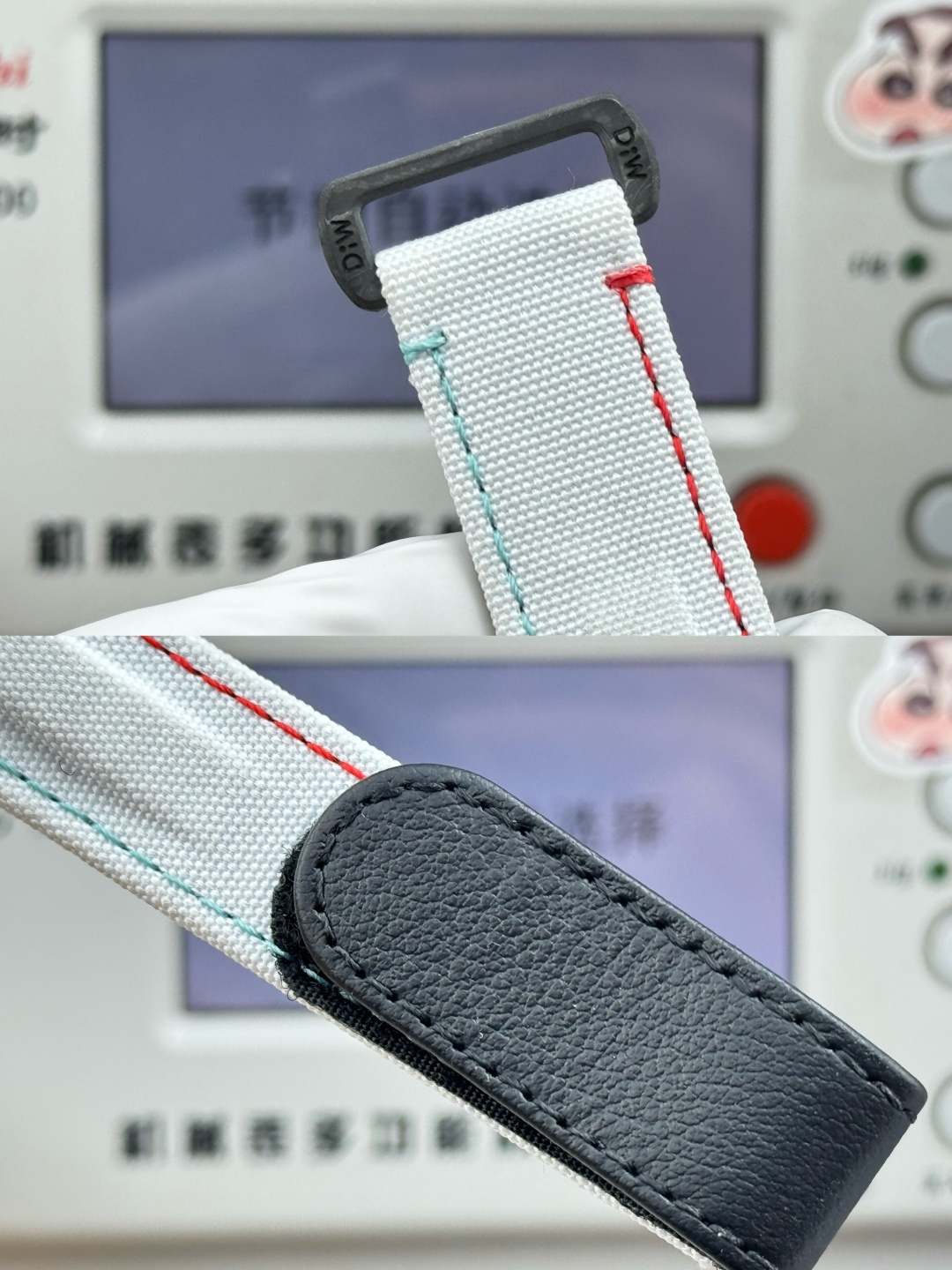
A $550 replica is not a $15,000 watch. It’s a 92% copy. The steel is softer. The movement is slightly less refined. The crown threading is rougher. The crystal is slightly thicker.
If you expect perfection, you’ll be disappointed. If you expect a genuinely good watch that looks and feels similar to a Rolex for 4% of the price, you’ll be satisfied.
In my experience, the satisfaction comes from knowing what you’re buying. A replica is a tool. It tells time, it looks good, and it gives you the tactile experience of a luxury watch. It’s not a status symbol. It’s a statement about your taste in design.
Who Should Buy a 3135 Clone and Who Should Not
Good Fit For:
- People who wear a watch daily and want it to feel correct
- Anyone who’s owned a genuine Rolex and wants an everyday alternative
- Enthusiasts who appreciate the mechanical design and want to experience it without the investment
- People who are willing to service the watch every 2 years
Not a Good Fit For:
- People who want a status symbol to impress others
- Anyone who expects literal perfection
- People who are unwilling to spend $150–$250 on servicing
- Watch collectors who already own genuine pieces and want a backup
My Final Recommendation
Buy a Clean Factory Submariner or Datejust with the 3135 clone movement. It’s the best balance of exterior quality and mechanical authenticity currently available. You’ll pay around $550–$600, and you’ll get a watch that wears and operates like the genuine article for everyday purposes.
The alternative is cheaper but disappointing. And the more expensive genuine alternative is fine if you have $15,000 to spend. But for most people who want a high-quality watch with the Rolex design, the 3135 clone is the only practical choice.
From what I’ve seen, the difference between the best and the rest is not subtle. It’s the difference between a watch you enjoy and a watch you ignore.
FAQ
Structurally, it’s about 92–95% identical. The dimensions, gear ratios, and winding system are the same. The finishing is the main difference – the surfaces aren’t as polished, and the jewel settings aren’t as precise. But functionally, it’s a genuine copy.
Yes, if the watchmaker is experienced and you’re honest about what it is. Many independent watchmakers will work on 3135 clones because they use the same geometry as the genuine. Expect to pay $150–$250 for a standard service.
With regular service (every 1.5–2 years), a good 3135 clone can last 5-10 years. The case will scratch, but the movement will keep running. Without service, it’ll start losing time after 12-18 months.
I wouldn’t. The seals on a replica are not as reliable as genuine. Some owners report swimming without issues, but the risk is high. If you want a watch for water activities, buy a genuine dive watch or a dedicated sports watch.
The feel of the crown and the smoothness of the winding. The genuine has a precision that’s unmatched. The replica is close but not identical. Also, the steel scratches more easily on the replica.
The best ones are very close. Clean and VS both use the correct font style and size. The magnification is also correct – the Rolex date magnifier makes the date legible, and the clone versions replicate this.
The seller should disclose the factory. Reputable sellers at replicafactory.cx list the factory prominently. If they won’t tell you, that’s a red flag. The factory name is the only way to know what you’re buying.
Absolutely. The 3135 feels correct. The winding, the setting, the sweep of the seconds hand – it all matches the genuine experience. The 2836 is reliable but doesn’t replicate the Rolex feel. The extra $150–$200 is worth it for daily wear.